When DIY Wildlife Removal Becomes Risky and Professional Help Is Needed
When DIY wildlife removal becomes risky and professional help is needed, local service providers can safely and effectively handle humane removal and exclusion of nuisance animals.
Many property owners in the area find themselves facing wildlife intrusions that seem manageable at first but can quickly become more complicated than expected. Attempting DIY wildlife removal might seem like a straightforward solution, especially for minor issues, but it can carry significant risks if not approached carefully. Wildlife can carry diseases, and improper handling or removal methods can lead to further damage or safety concerns. Recognizing when the situation exceeds basic cleanup or exclusion efforts is essential, and seeking help from experienced local contractors ensures the problem is addressed safely and effectively.
Understanding the signs that DIY wildlife removal has become risky can save time, money, and potential health hazards. When animals are deeply nested, aggressive, or difficult to access, professional wildlife removal services are equipped to handle these situations with specialized techniques and tools. These local service providers can assess the extent of the issue, remove animals humanely, and secure the property against future intrusions. Keeping safety and thoroughness in mind, property owners are encouraged to explore the expertise available nearby to resolve wildlife issues efficiently and responsibly.
- Attic wildlife removal - when DIY efforts risk damaging insulation or structures, local contractors use specialized techniques to safely remove animals and restore attic integrity.
- Bird control and exclusion - if DIY attempts to deter or remove nesting birds fail, local pros implement humane exclusion methods to prevent re-entry and protect property.
- Rodent proofing services - when DIY traps or repellents don't resolve rodent infestations, service providers identify entry points and install effective barriers.
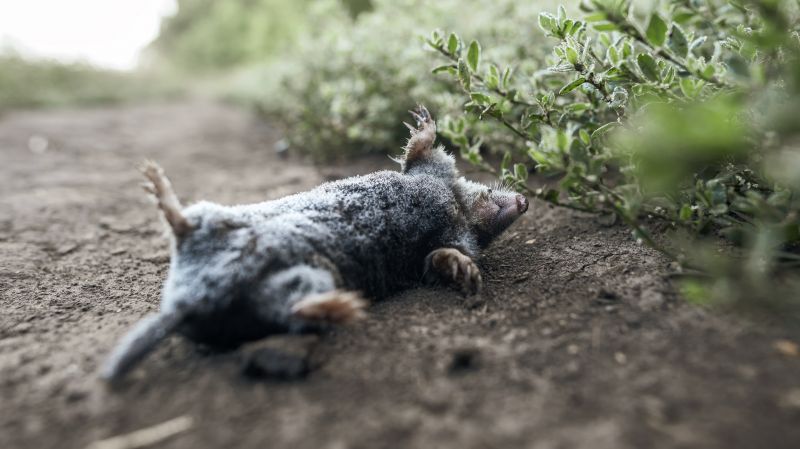
- Wildlife carcass removal - in cases where carcasses are hidden or inaccessible, local specialists safely remove and dispose of animal remains to prevent health hazards.
- Emergency wildlife removal - when animals are trapped or nesting in hard-to-reach or hazardous areas, local pros handle the situation safely and efficiently.
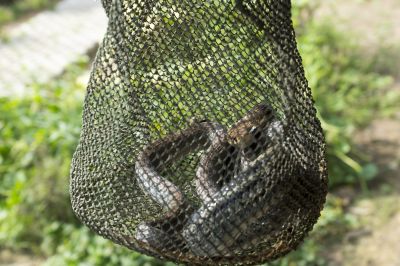
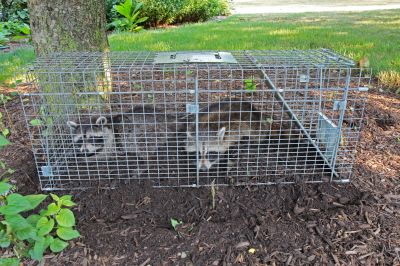
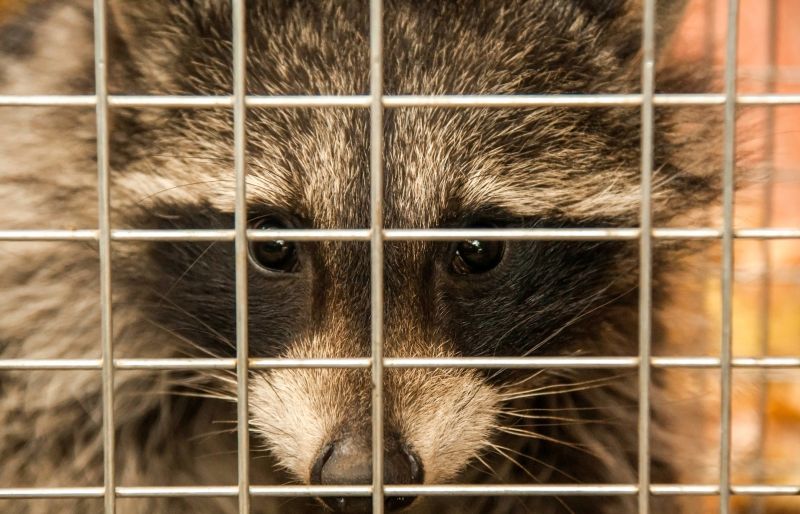
When homeowners search for information about when DIY wildlife removal becomes risky and professional help is needed, they are often trying to determine whether a wildlife issue can be handled safely on their own or if expert intervention is necessary. Common concerns include animals nesting in attics, raccoons rummaging through trash, squirrels in wall cavities, or bats roosting in ceilings. These situations typically involve animals that have entered the property and are causing damage or creating health hazards. People want to understand the potential dangers involved in attempting removal themselves, especially when the animals are difficult to access or are protected by local wildlife laws.
The problems or plans related to this topic often involve removing animals that have taken up residence in or around a property, as well as preventing future invasions. Homeowners may consider DIY methods like trapping or sealing entry points but may quickly realize that these approaches are not always straightforward. The risks increase when animals are aggressive, injured, or carry diseases, or when their nests are located in hard-to-reach areas such as roof eaves, chimneys, or wall voids. In these cases, professional wildlife removal service providers are equipped with the tools and knowledge to handle the job safely and effectively, ensuring animals are removed without causing damage to the property or risking personal injury.
Properties commonly associated with wildlife removal needs include residential homes, especially those with attics, basements, or crawl spaces. Multi-family buildings and older houses with structural gaps are also frequent sites for wildlife activity. Commercial properties, like warehouses or retail stores, may experience similar issues, particularly if they have unused or poorly sealed areas. The complexity of these projects depends on the property’s design and the type of animal involved. Local service providers often have experience working with various property types, understanding how to navigate the unique challenges each one presents, and providing solutions that address both immediate removal and long-term prevention.
Understanding when DIY wildlife removal becomes risky and professional help is needed helps homeowners make informed decisions about their property. While some minor issues can be managed with basic trapping or sealing, more complicated situations require the expertise of local pros. These professionals are skilled at handling animals safely, minimizing property damage, and ensuring compliance with local regulations. When animals are difficult to access, aggressive, or pose health hazards, it is a clear sign that professional wildlife removal services should be involved. Connecting with experienced service providers ensures that the job is done correctly, safely, and with minimal risk to residents and pets.
Attic Insulation Installation - Proper insulation installation requires careful planning and tools similar to wildlife exclusion, making professional assistance crucial when safety or access issues arise.
Gutter Cleaning and Maintenance - Removing debris from gutters often involves working at heights and using specialized tools, paralleling the safety considerations in wildlife removal projects.
Rodent-proofing and Pest Barriers - Installing barriers to prevent pest entry shares planning and skill requirements with wildlife exclusion efforts, especially in complex or hard-to-reach areas.
Attic and Wall Voids Sealing - Sealing gaps and entry points involves precise work and safety precautions similar to those needed when handling wildlife nests or infestations.
Tree Trimming and Removal - Cutting back or removing trees near structures requires knowledge of safety protocols and equipment, akin to handling animals in difficult or risky locations.
Structural Repairs and Reinforcements - Reinforcing building structures to prevent animal entry involves planning and tools comparable to wildlife exclusion projects, especially in compromised areas.
When evaluating wildlife removal services, it is important for homeowners to consider the experience of local contractors with similar projects. A service provider that has handled a range of wildlife issues can demonstrate familiarity with different species and the complexities involved in humane and effective removal. This experience often translates into better assessment skills and more efficient solutions, reducing the risk of incomplete removal or unintended damage. Homeowners should inquire about the types of wildlife the pros have managed and seek providers who have a proven track record in handling situations comparable to their own.
Clear written expectations are essential when choosing wildlife removal services, especially when DIY wildlife removal becomes risky and professional help is needed. Service providers should be able to outline the scope of work, procedures, and any follow-up actions in a detailed, written format. This transparency helps ensure there is a mutual understanding of what will be done and what the homeowner can expect throughout the process. Well-defined expectations also serve as a reference point if questions or concerns arise later, making it easier to evaluate whether the service provided aligns with the initial agreement.
Reputable references and good communication are key factors in selecting reliable wildlife removal professionals. Homeowners should seek out service providers who can provide references from past clients or demonstrate a history of satisfied customers. Effective communication is equally important; a professional who listens carefully, answers questions clearly, and keeps homeowners informed throughout the process can help prevent misunderstandings and ensure the project proceeds smoothly. When local contractors prioritize open dialogue and transparency, it fosters confidence that the wildlife removal will be handled responsibly and efficiently, especially in situations where DIY efforts have proven to be risky.
Property owners often search for when DIY wildlife removal becomes risky and professional help is needed when they are planning practical projects around their homes and businesses. Local pros provide Wildlife Removal services for everyday jobs and straightforward project options.
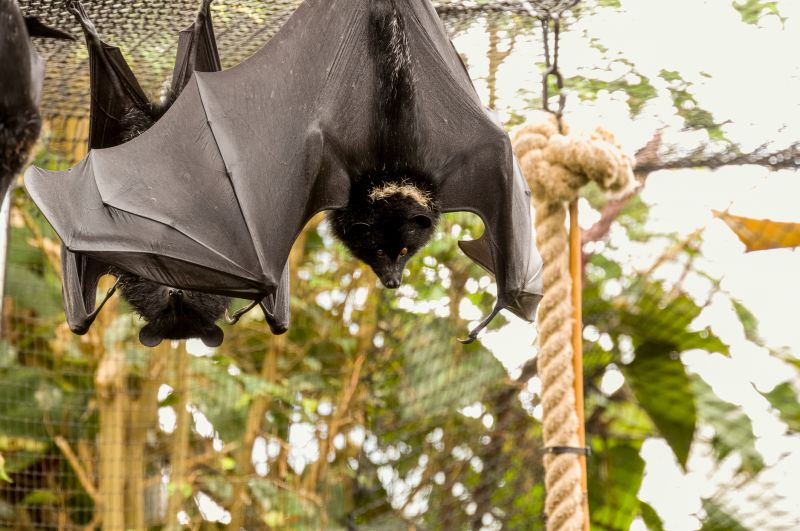
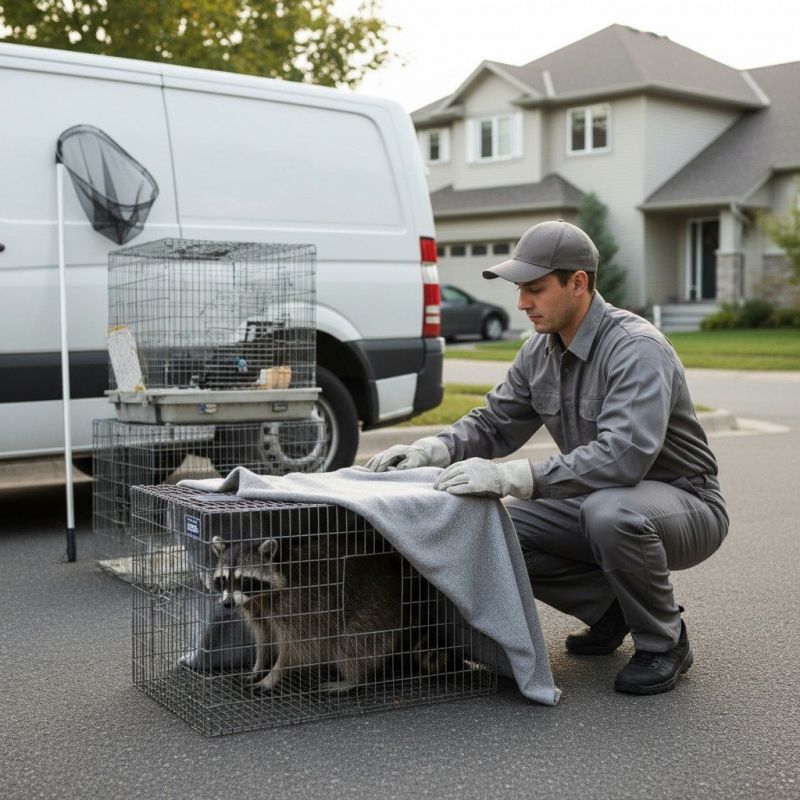
Many property owners in the area turn to DIY wildlife removal methods when they notice animals like raccoons, squirrels, or birds nesting in or around their homes. Common situations include discovering animal droppings in attics, hearing scratching noises in walls, or finding damage to outdoor structures. While these issues may seem manageable at first, attempting to handle wildlife intrusions without professional assistance can quickly become risky, especially if the animals are aggressive or have established nests deep within the property.
In cases where animals are difficult to access, have become defensive, or if there are signs of potential health hazards such as droppings or bites, seeking help from local contractors experienced in wildlife removal is advisable. Professional service providers have the tools and expertise to safely and effectively handle complex situations, reducing the risk of injury or further property damage. When DIY wildlife removal becomes risky and professional help is needed, connecting with local pros ensures the job is managed properly and safely.
When should I consider professional wildlife removal instead of attempting DIY? If wildlife has nested inside your home, caused significant damage, or if animals are aggressive or hard to access, it’s advisable to seek help from local contractors who specialize in wildlife removal.
What risks are involved with DIY wildlife removal? DIY efforts can lead to injury from animal bites or scratches, exposure to zoonotic diseases, and the possibility of animals returning if not properly excluded by experienced service providers.
How can I tell if wildlife removal has become too risky for a DIY approach? Signs include animals in hard-to-reach areas, signs of disease or illness, or if animals are displaying aggressive behavior-these situations indicate that professional assistance is recommended.
Are there safety concerns related to handling certain types of wildlife? Yes, handling animals such as bats, raccoons, or squirrels can pose health risks and physical danger, making professional wildlife removal services the safer choice.
What types of wildlife issues are best handled by local service providers? Problems involving large infestations, animals in inaccessible locations, or animals that have caused structural damage are situations where experienced wildlife removal contractors can provide effective solutions.
Assessing wildlife entry points - property owners can identify potential entry spots that may require professional inspection to ensure complete removal and prevent future invasions.
Handling dangerous animals - when wildlife exhibits aggressive behavior or appears ill, local contractors can safely manage removal without risking injury or disease transmission.
Dealing with large or hard-to-reach infestations - situations involving sizable colonies or inaccessible areas are best handled by service providers equipped with specialized tools and experience.
Addressing repeated wildlife issues - recurring problems often indicate underlying structural issues that professional assessments can uncover and resolve effectively.
If you are thinking about when DIY wildlife removal becomes risky and professional help is needed for a property, this guide is meant to help you understand this topic, the typical project types, and how different options might fit your plans.
When you are ready, you can use the quote form on this page to share a few details about your project. From there, local pros can review the basics and follow up with options that match what you have in mind.